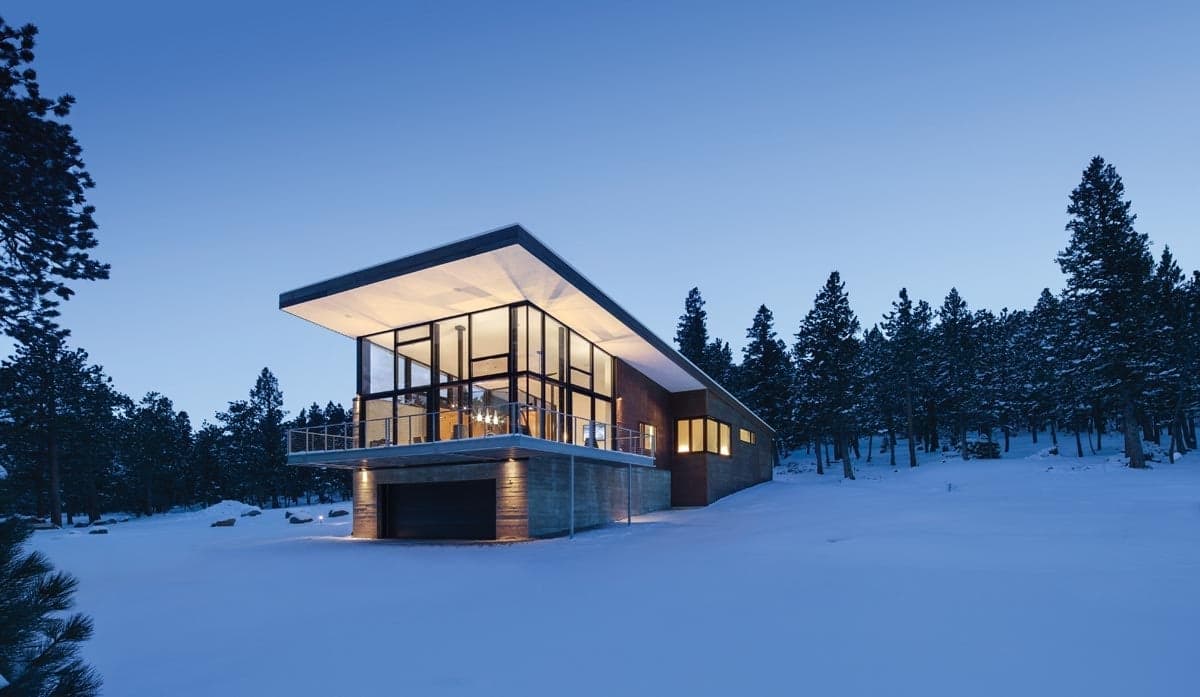
Why Energy Codes Matter for Modern Large Format Glazing Projects
Energy codes play a critical role in modern design and engineering, establishing standards that help buildings achieve long-term energy savings.
For projects featuring large format glazing, energy codes directly influence design decisions. These standards challenge architects and builders to balance expansive views with thermal performance considerations. Compliance is more than a requirement--it’s a key factor in residential and commercial construction.

Overview of Current Energy Code Frameworks in the United States
Several governing bodies establish the standards that influence window and glazing performance. Key frameworks include:
- International Energy Conservation Code (IECC): Provides comprehensive guidelines for designing and constructing energy-efficient buildings--which are widely adopted by local, state and national authorities.
- American Society of Heating, Refrigerating and Air-Conditioning Engineers (ASHRAE): Develops technical standards and guidelines for building systems, energy efficiency, indoor air quality and sustainability.
- U.S. Department of Energy (DOE): Offers guidance, research and tools to support the adoption of energy codes, helping to improve building energy performance.
- ENERGY STAR®: Run by both DOE and the U.S. Environmental Protection Agency (EPA), this is a voluntary certification program for high-efficiency windows and doors--setting a recognizable performance benchmark that is often referenced by local programs and incentives.
- State and Local Codes: Jurisdictions often adopt or modify national standards, adding requirements to reflect regional climates and energy goals.
Adhering to state and local regulations--in addition to IECC, ASHRAE or other large format glazing energy codes--can make your project requirements vary significantly from location to location. That’s why early research and collaboration is essential. For a detailed resource outlining window performance, refer to the DOE Guide to Energy Efficient Windows.
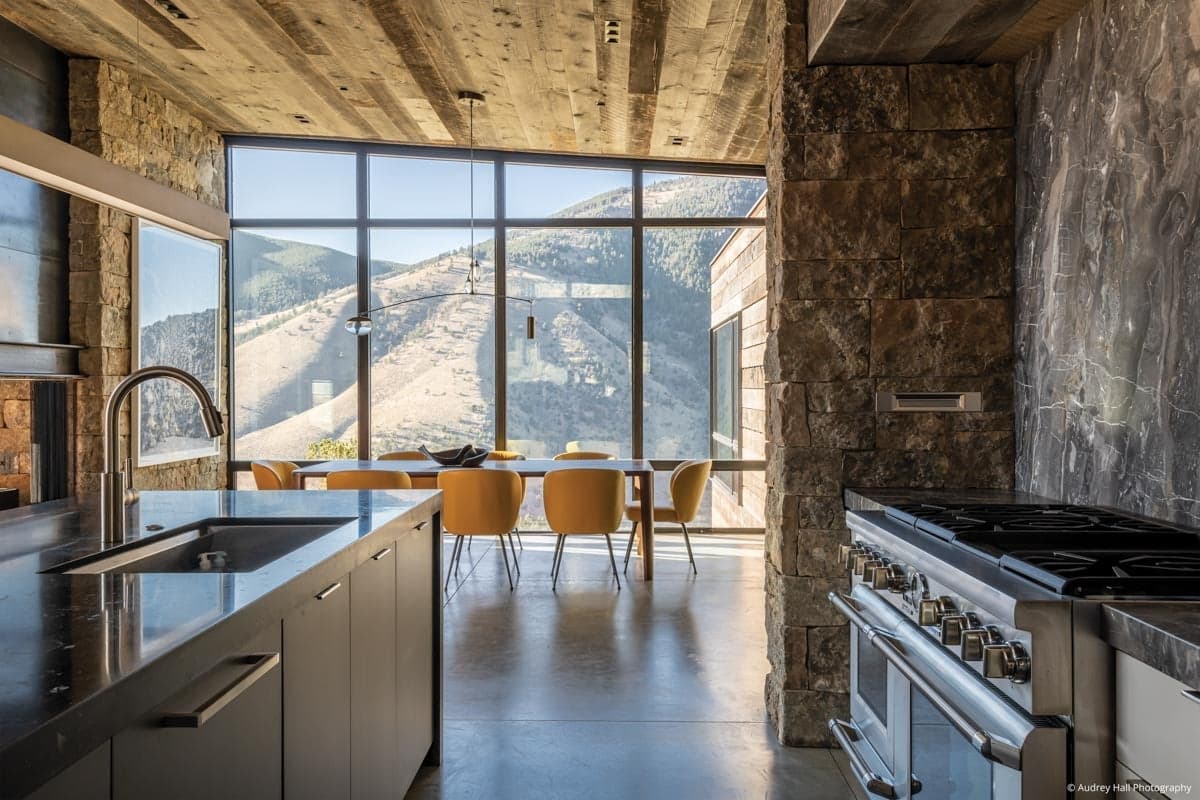
Key Performance Factors That Influence Compliance
There are three primary metrics to determine window compliance under energy codes:
- U-Factor: Measures the rate of heat transfer through a window or door. Lower values indicate better insulative properties.
- Solar Heat Gain Coefficient (SHGC): Measures how much solar radiation passes through the glazing and enters a building as heat. Optimal values vary by climate.
- Visible Transmittance (VT): Determines the amount of visible light that passes through the glazing and impacts interior lighting needs.
Performance benchmarks for these metrics are largely determined by climate zone. Designers aim to maximize daylight while minimizing thermal transfer--achieving both comfort and compliance with regional requirements.
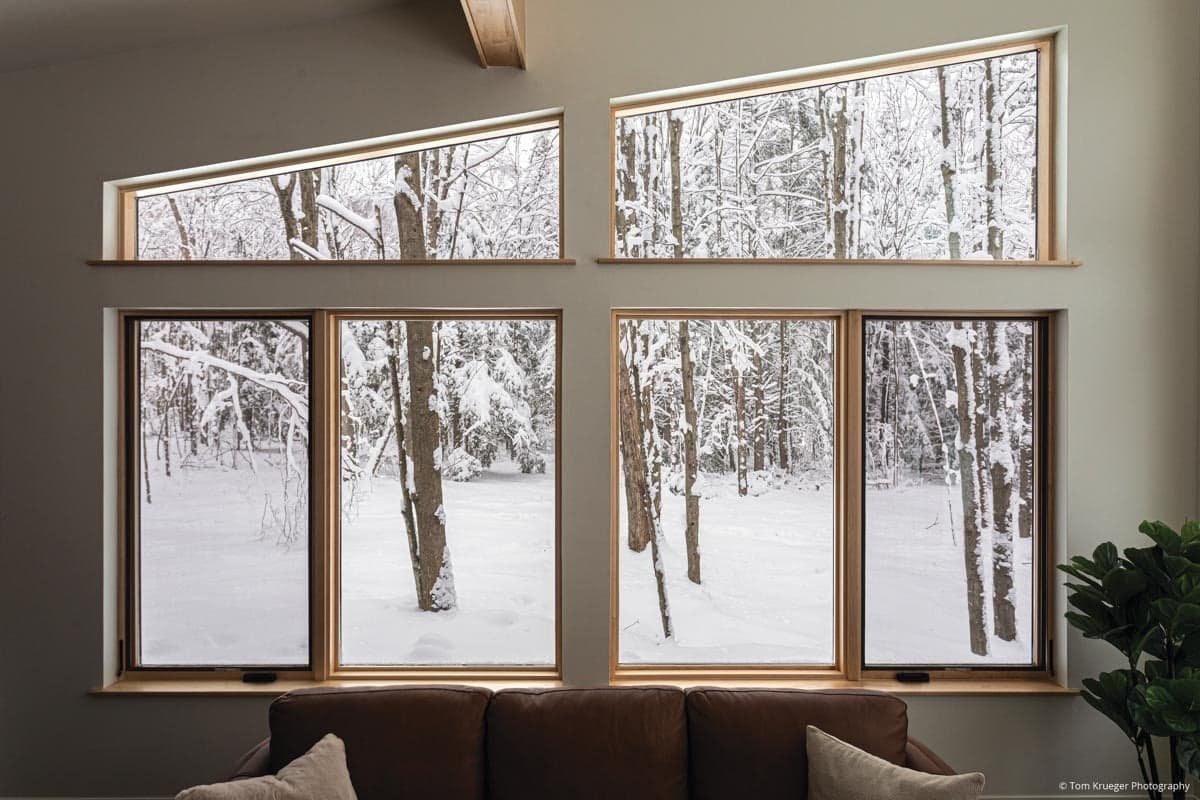
Navigating Large Format Glazing Challenges in Cold and Warm Climates
Regional requirements are often based on weather. Northern regions usually try to address heat loss, which can lead to excessive heating demands in cold weather. Southern climates typically focus on limiting solar radiation, reducing demand for air conditioning in hot weather. Here are general rules of thumb:
- Cold climate designs typically focus on thermal insulation--selecting windows and doors with low U-Factors to minimize heat loss. Triple-glazed or low-conductivity frame systems are often necessary.
- Warm climate designs typically emphasize solar heat control by selecting windows and doors with lower SHGC to reduce heat gain. High-performance coatings and shading strategies help meet code while maintaining desired views.
Successful projects demonstrate that careful product selection can accommodate even extreme climates, ensuring large format glazing enhances both aesthetics and energy efficiency.
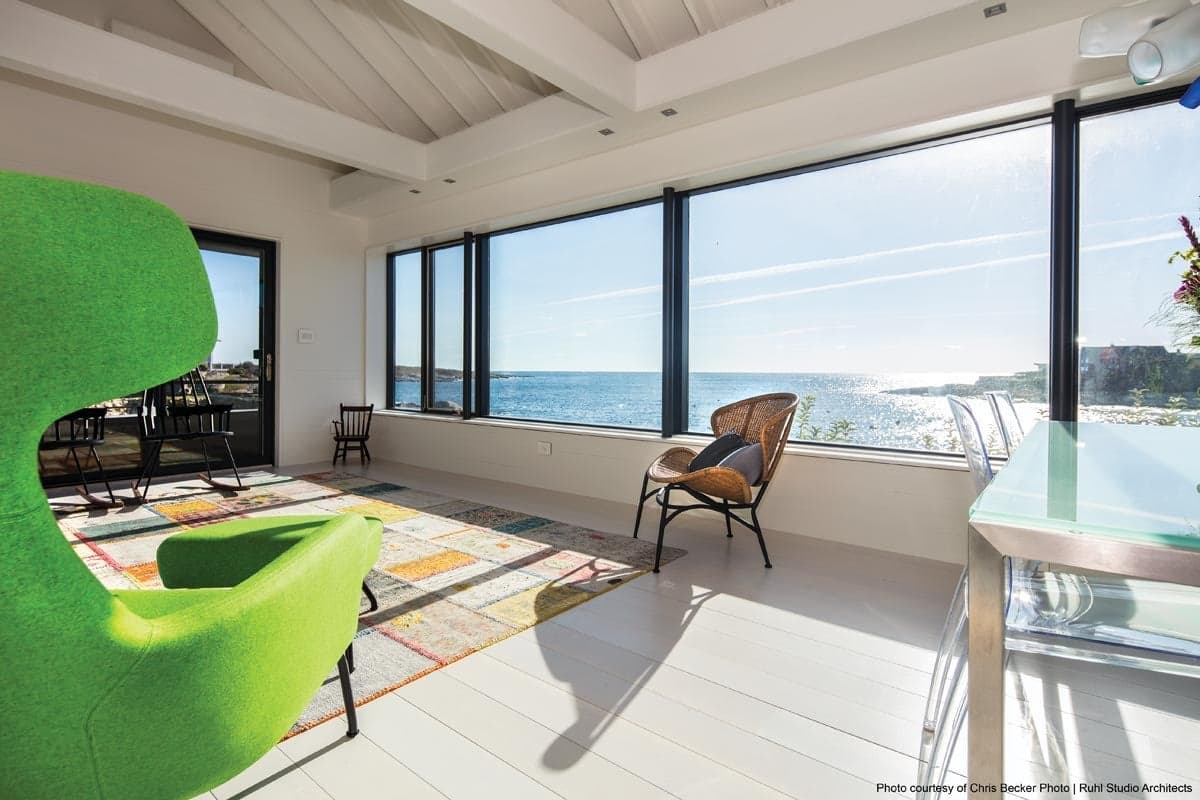
Working With Manufacturers for Code-Compliant Solutions
Early collaboration with window manufacturers is essential for both compliance and design success. Premium manufacturers like Kolbe Windows & Doors will provide performance data and documentation to verify code requirements, offer guidance on selecting compliant products and support designers in optimizing layouts.
Get started by checking out Kolbe’s product lines to find windows and doors that seamlessly combine form and function, then reach out to Kolbe experts for guidance.
Bringing It All Together for Exceptional and Compliant Designs
Energy code compliance and impressive large format glazing designs are not mutually exclusive. Modern glazing technology allows today’s installations to push creative boundaries while still aligning with the strictest efficiency requirements.
Browse Kolbe’s floor-to-ceiling and energy-efficient solutions to explore custom-made windows and doors built for exceptional design and performance.


