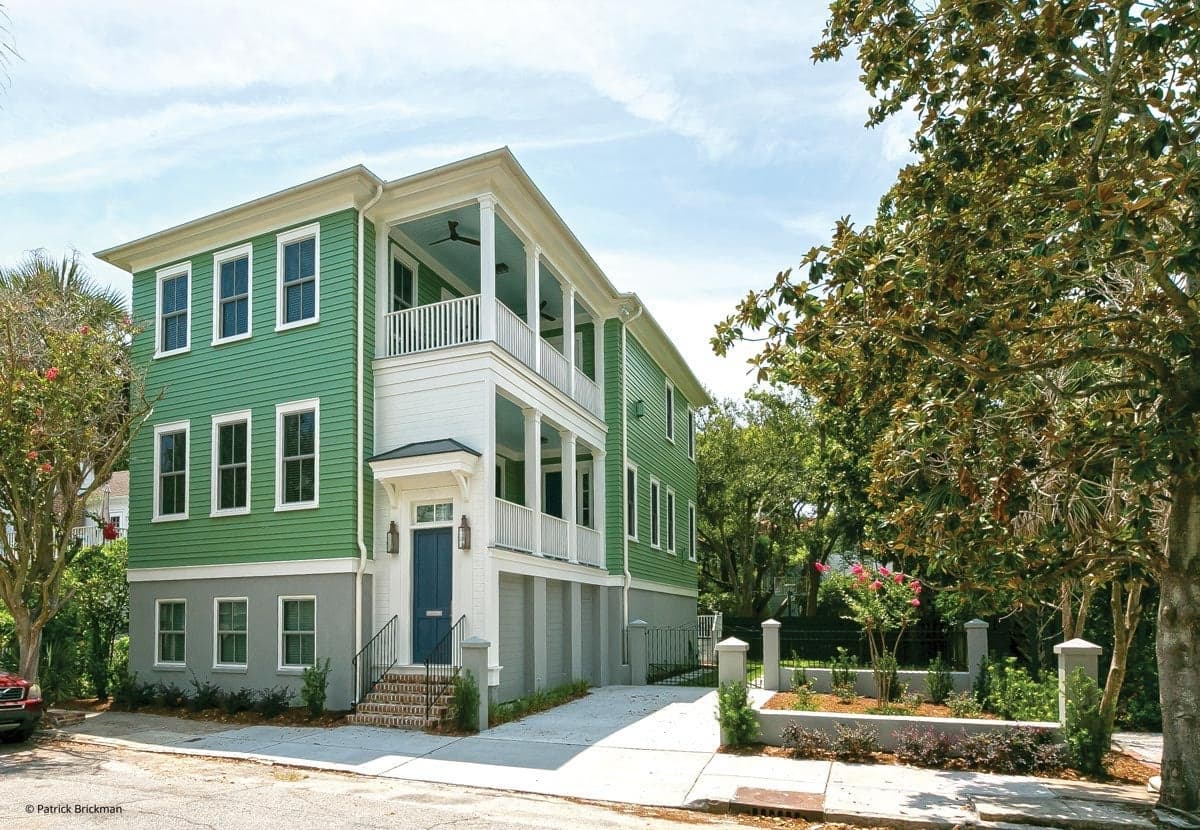
The Importance of Window Authenticity in Historic Preservation
Windows are essential features of historic buildings. Their design, materials, placement and size are all factors that play a part in defining architectural styles. Historic windows are more likely to be in need of repair or replacement, either because age and time have deteriorated them or there are performance inefficiencies to correct.
However, choosing to repair or replace windows in these buildings is not always a simple process. Historic buildings that are either landmarks or part of historic neighborhoods can be subject to guidelines and regulations that preservation agencies use to ensure their windows and other architectural features maintain visual and material integrity. These regulations help keep these buildings historically accurate, but they do demand additional steps and coordination. By using windows that can accurately replicate historic styles while living up to modern performance standards, it’s more likely that these renovations will be approved.
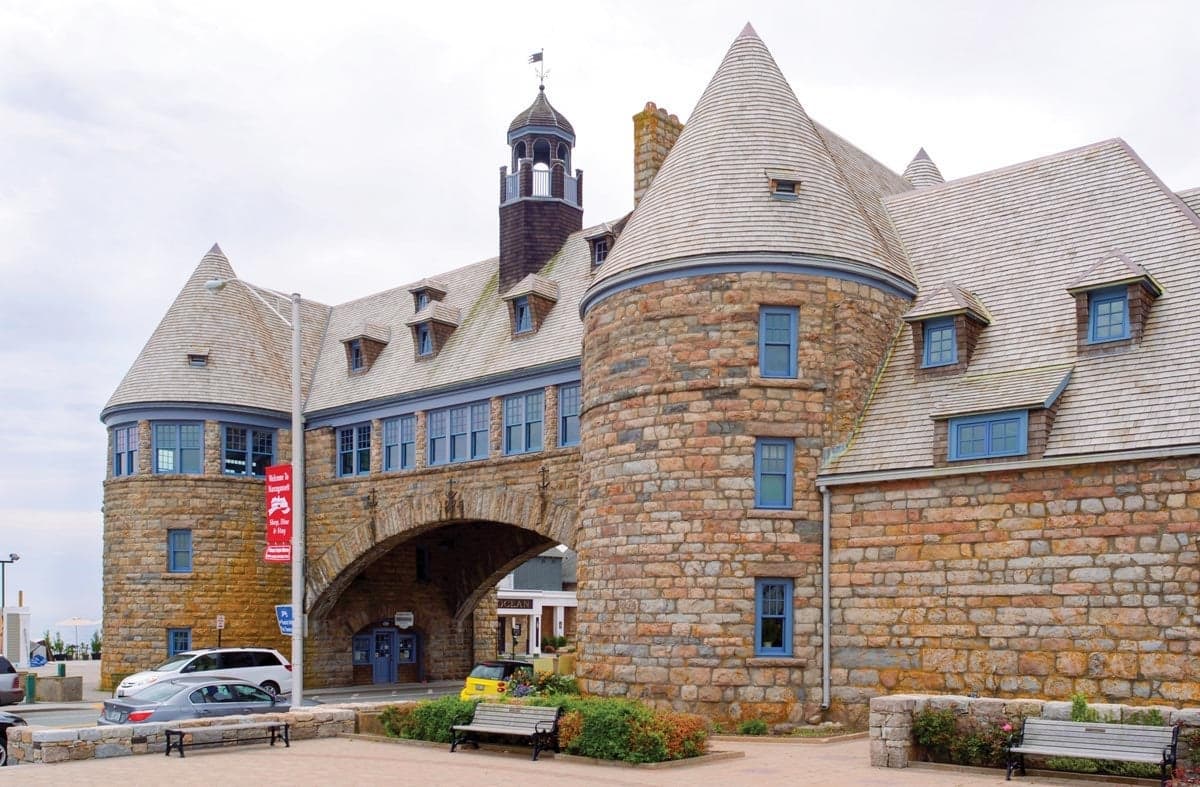
Navigating Preservation Standards and Regulatory Bodies
For many historic buildings, the decision to repair or replace windows is not just limited to the building owner and architect. Most buildings that appear on the National Register of Historic Places will be subjected to the Standards for Rehabilitation as set out by the National Park Service (NPS) and applied by local regulatory bodies. The NPS lays out 10 standards as part of their regulations, including the following that will directly influence window replacement projects:
- The historic character of a property shall be retained and preserved. The removal of historic materials or alteration of features and spaces that characterize a property shall be avoided.
- Distinctive features, finishes and construction techniques or examples of craftsmanship that characterize a historic property shall be preserved.
- Deteriorated historic features shall be repaired rather than replaced. Where the severity of deterioration requires replacement of a distinctive feature, the new feature shall match the old in design, color, texture and other visual qualities and, where possible, materials. Replacement of missing features shall be substantiated by documentary, physical or pictorial evidence.
While the Standards for Rehabilitation prioritize repair, they also apply to replica replacements. There are also economic and technical considerations that allow for some exceptions to be made. For instance, using modern framing materials like extruded aluminum that can match the look of the original windows can be a durable, lower-maintenance replacement option. Similarly, modern glass technology can produce much larger, more efficient panes of glass than what would have been available to historical window makers. By using these large panes of glass with lite bars that match the style and design of the original muntin bars, modern window manufacturers can stay true to the architecture of the day without sacrificing modern performance.
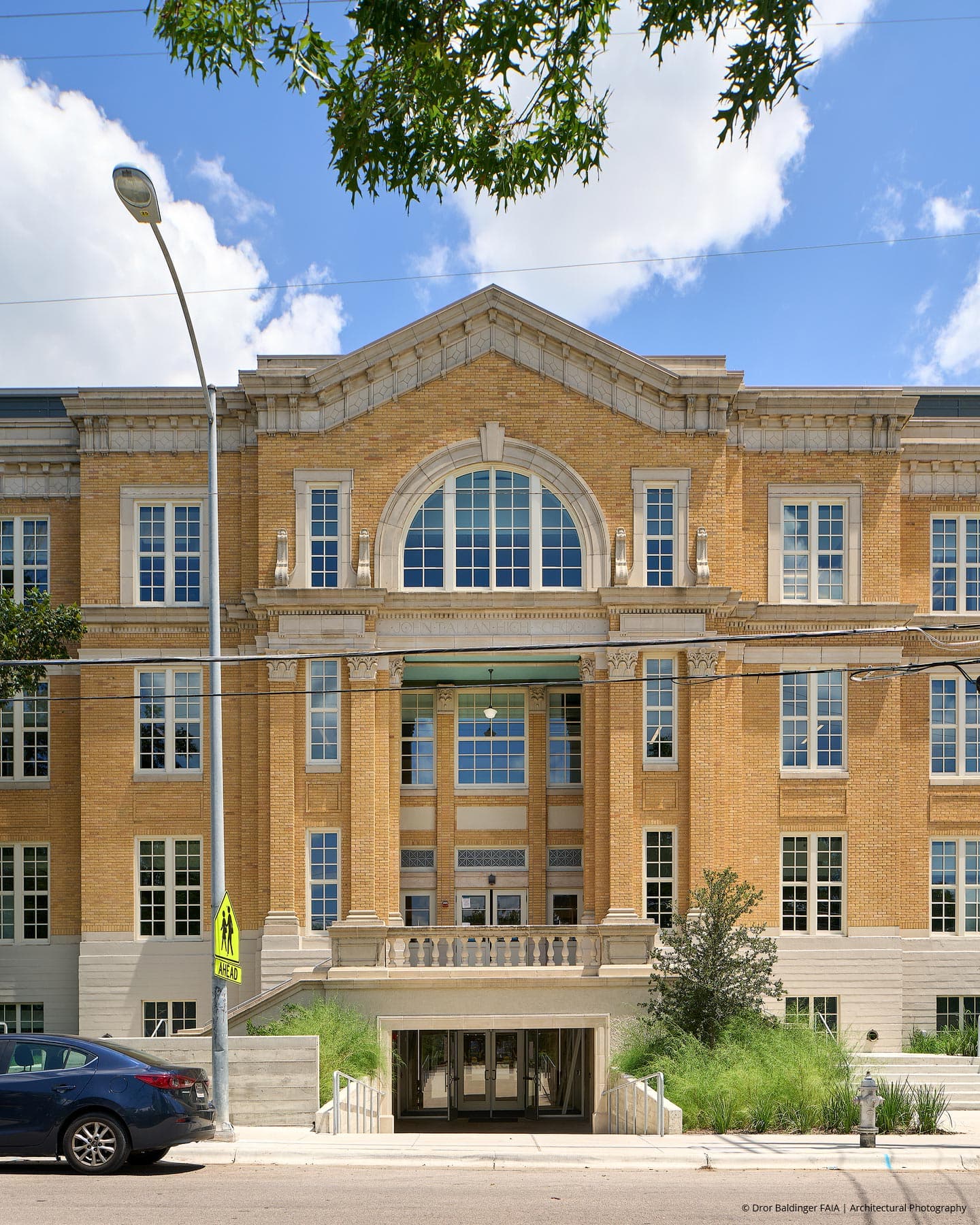
Applying the Standard for Rehabilitation
It isn’t just buildings on the National Register of Historic Places that are governed by the Standards for Rehabilitation. Buildings located in historic districts can be subject to state, county or city preservation regulators, who will be in charge of applying preservation standards to any projects. These regulations may be slightly different from the Standards of Rehabilitation from the NPS, but most preservation bodies base their historic window replication guidelines on these standards. In order to ensure a successful project and avoid costly design revisions or approval issues, start by adhering to the NPS’ standards and verifying local requirements with the appropriate parties early in the design process.
Balancing Historic Accuracy With Modern Performance
When replacing windows in historic buildings, architects and designers walk a fine line between maintaining historical fidelity and meeting modern energy efficiency standards and building code requirements. The solution? Blending modern materials and thoughtful craftsmanship with smart, historically accurate detailing. Materials like extruded aluminum offer better protection from the elements and improved insulation that meets today’s performance standards. Custom finishes can also be applied to these materials to ensure they meet the standards of historical accuracy. Additionally, innovative and high-performance window glass technologies can be used in combination with custom profiles, divided lites, and frame details that are carefully chosen to match historical architecture.
Kolbe has the real-life experience, innovative engineering and reliable craftsmanship required to perfectly blend historically authentic styles with modern performance standards. Our history of creating accurate, high-efficiency historical replica windows spans all kinds of architectural designs, time periods, climates and project needs.
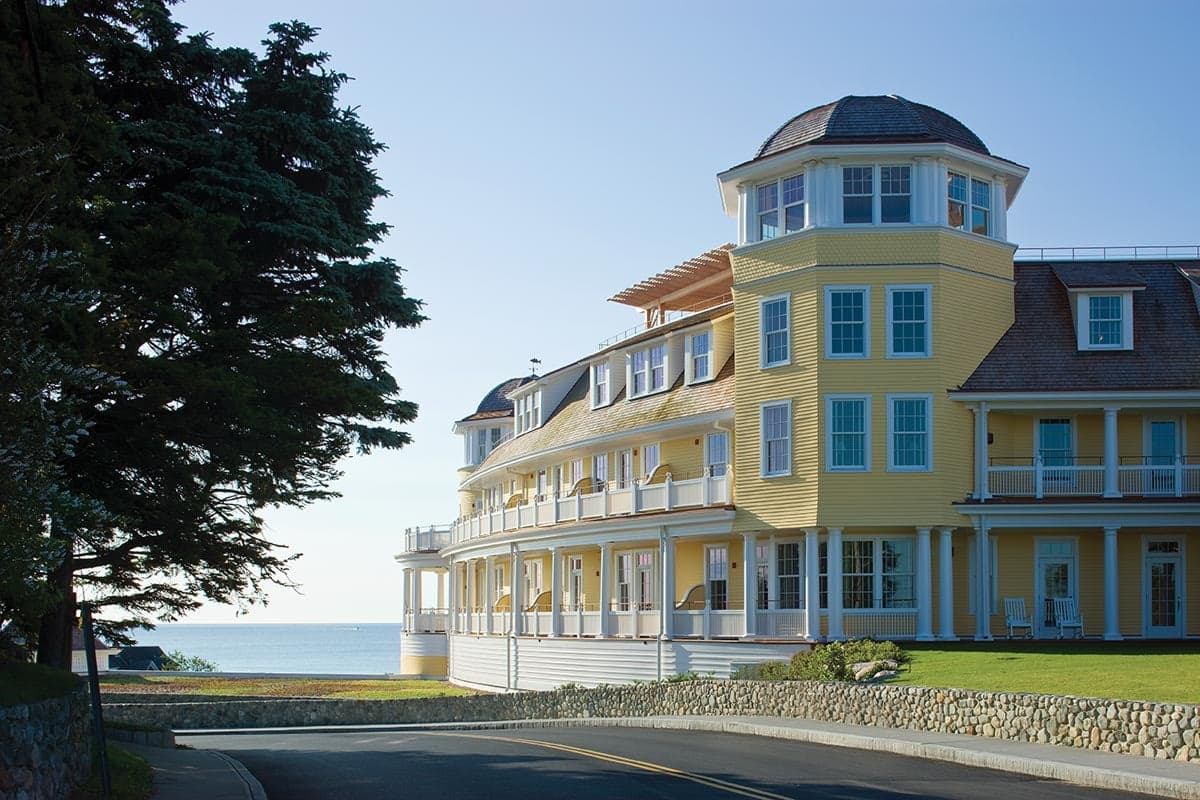
Key Design Considerations for Replica Windows
While standards and requirements will differ based on the specific region, local preservation boards and regulatory bodies across the country tend to focus on similar requirements for replica windows in historical buildings.
- Proportions: Maintaining the original proportions of the window not only keeps the facade consistent, but also allows architects to preserve the original sightlines and daylight openings.
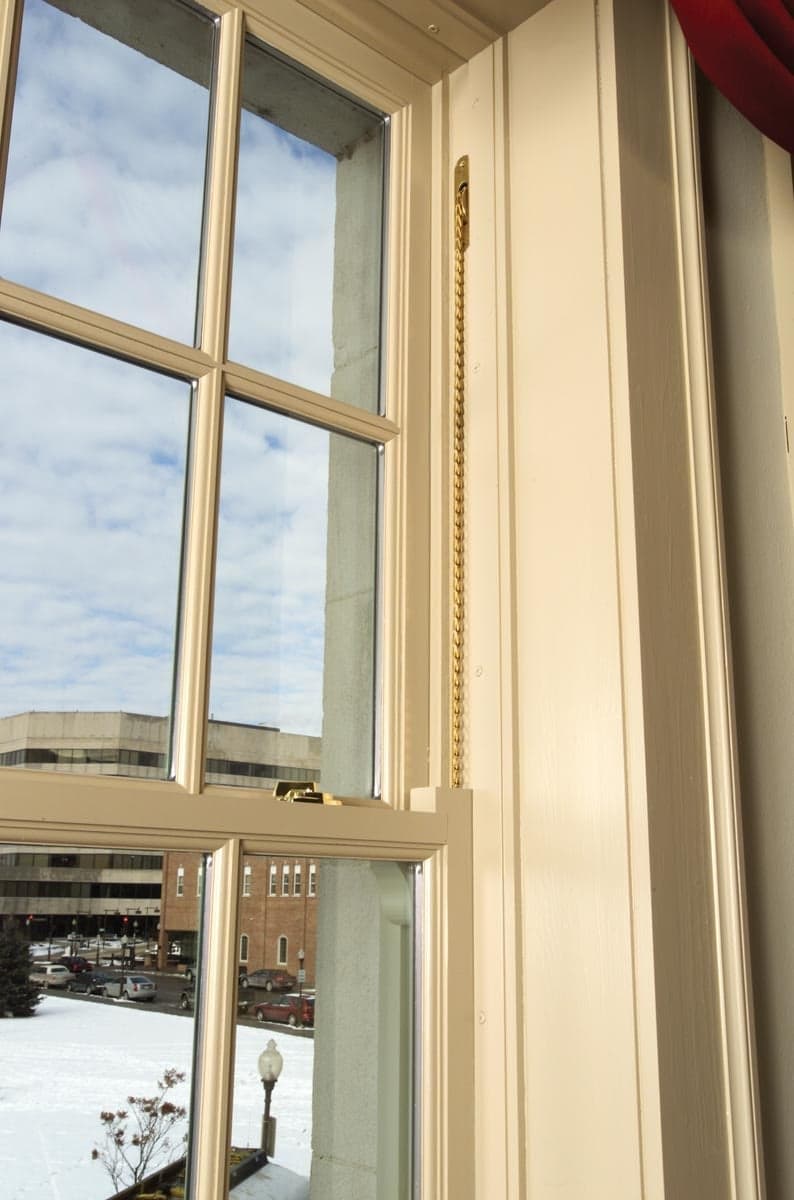
- Operation: From push-out casements to unique pulley-and-weight systems for double hungs, ensuring replica windows operate as originally intended is a key point for most preservation boards.
- Finish: An inauthentic finish will not only clash with the original architecture that is still in place, but it can also disqualify some windows from being considered for historical replacement projects.
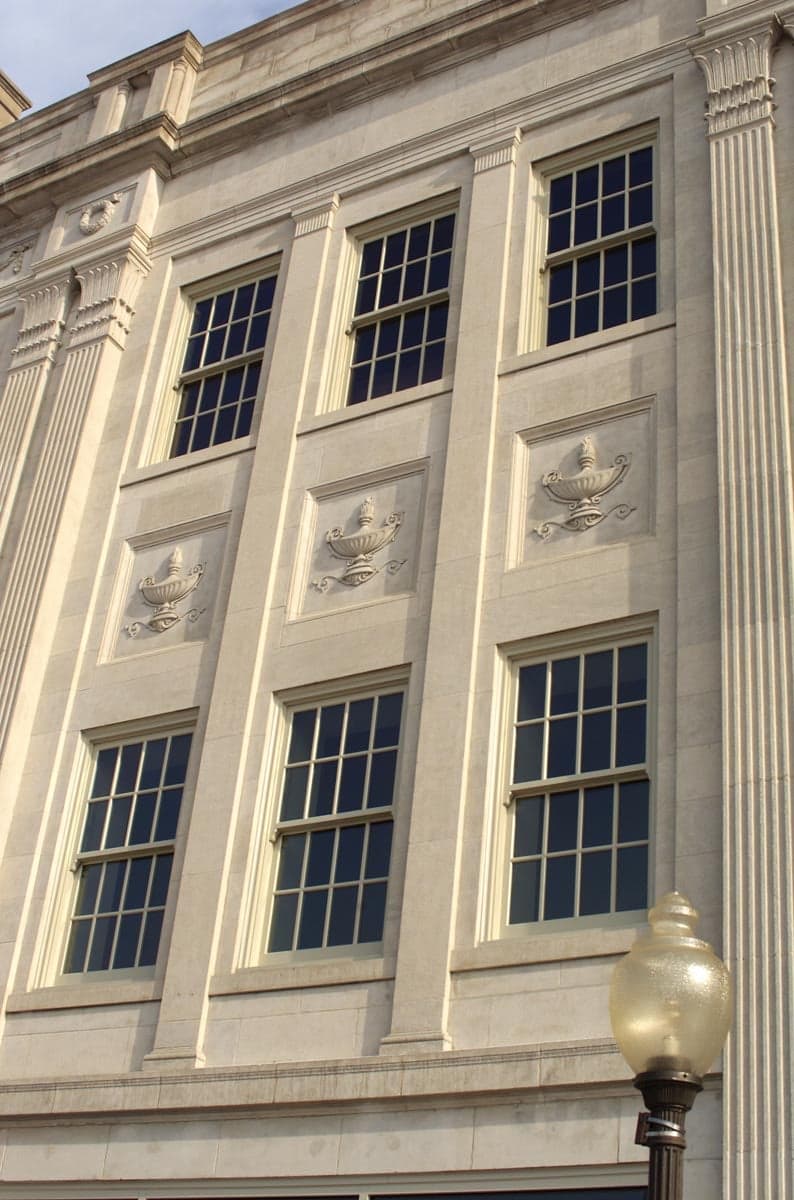
- Detailing: Getting all the little aspects of historically authentic windows correct is crucial for meeting the expectations and standards of preservation bodies. From sashes to casings, divided lites, grilles and other stylistic flourishes, the smallest details are often just as important as proportional matches.
Throughout the replication process, using photographs, plans and historical notes can be a huge advantage for recreating accurate sightlines, profiles and hardware. Working with historical societies and preservation experts can help with finding source materials for getting all of those features correct.
Partnering With Experts for Preservation-Approved Window Solutions
When working on historical replication projects, it’s vital to pick a window manufacturer that is experienced with collaborating with multiple stakeholders, from building owners to local preservation boards, state-level preservation entities and the National Park Service. Kolbe is well-versed in preservation standards in many different regions and our experts are always on-hand to help our clients navigate the logistics of approvals and permitting that is inherent to historical replication projects. Most importantly, our team of expert craftspeople are capable of providing the architectural fidelity, modern efficiency and customization options to make replica windows that perfectly fit any project. To learn more, check out our historical replication projects and various product lines. And if you still have questions, please reach out to Kolbe; our team is always happy to help.


